

Concrete vs Pavers: Durable Patio Solutions for the DMV Area
December 8, 2025When choosing between concrete and pavers for your DMV patio, consider durability against freeze-thaw cycles and clay soil challenges. Concrete offers a sleek, uniform surface with lower upfront costs but risks cracking without expert installation and sealing. Pavers cost more initially but provide modular flexibility, easier repairs, and diverse aesthetics ideal for the local environment. Both require precise base preparation for longevity and landscape harmony. Exploring these factors will help you select the best option for a stunning, lasting patio. You can view real examples in our recent work portfolio.
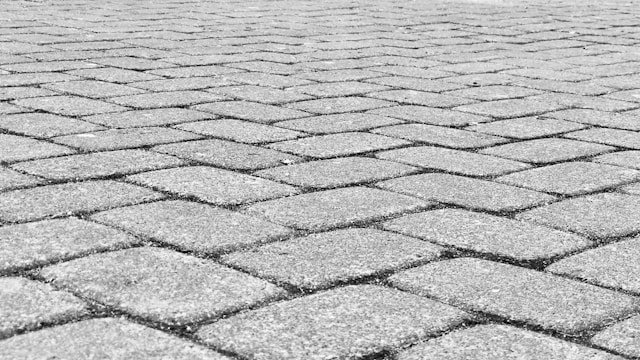
When choosing a durable patio solution in the DMV area, you’ll typically weigh two primary options: concrete and pavers. Understanding the concrete vs. pavers debate requires considering DMV climate impact, especially freeze-thaw cycle patios that stress surfaces annually.
Concrete offers a solid slab, often more cost-effective per patio cost comparison DMV-wide. However, clay soil patio prep is critical to prevent cracking under concrete’s rigidity—an issue addressed through professional concrete & masonry services.
Pavers provide superior patio water drainage and flexibility, allowing for slight ground shifts without damage, ideal for Northern Virginia’s soil conditions. For patio installation Northern Virginia residents trust, balancing upfront costs with long-term maintenance is key.
Both materials support elegant outdoor living spaces DMV homeowners desire, but your choice should prioritize durability against climate stresses and ease of repair to best serve your family and guests.
Introduction
Although selecting the right material for your patio can seem straightforward, understanding the nuances of concrete patios versus paver patios is essential to create a durable, visually appealing outdoor space in the DMV area. You’ll want to evaluate the performance of concrete vs pavers considering the region’s freeze-thaw cycles and soil composition.
Concrete patios offer a seamless, cost-effective base with high compressive strength, ideal for uniform surfaces. Paver patios, meanwhile, bring modular flexibility and easier maintenance, allowing tailored aesthetic designs that adapt to shifting soils. By grasping these technical distinctions, you’ll design patios that not only meet functional demands but also enhance your property’s curb appeal, much like other projects featured on our construction blog.
Importance of material choice for DMV patios
Selecting the right patio material impacts not only your project’s durability but also its aesthetic harmony with the DMV area’s environment. When working with PMC Construction patio specialists, you’ll appreciate the technical nuances that influence your choice—such as freeze-thaw resilience and soil composition.
Opting for permeable pavers, for instance, enhances water drainage and reduces runoff, preserving both your landscape and local ecosystem. This sustainable mindset aligns with ideas shared in eco-friendly remodeling materials.
Concrete, while cost-effective, requires precise installation to prevent cracking in clay-heavy soils typical of the region.
You need materials that balance longevity with design flexibility, ensuring your patio remains attractive and structurally sound over time.
Key Differences
Because your patio must withstand the DMV area’s freeze-thaw cycles and clay-rich soil, understanding the key differences between concrete and pavers is crucial. You’ll find stamped concrete options offer a continuous, sleek surface that resists cracking if properly installed. Interlocking pavers, by contrast, allow flexibility to settle independently, reducing damage risk. These principles are also applied across exterior remodeling projects.
| Feature | Stamped Concrete Options | Interlocking Pavers |
|---|---|---|
| Durability | High but prone to large cracks | Excellent, repairable piecewise |
| Installation Time | Faster, poured as one slab | Longer, laid individually |
| Maintenance | Seals needed every few years | Easy to replace or reset |
| Aesthetic Variety | Patterns mimic stone or tile | Wide color and shape variety |
| Cost | More affordable initially | Higher upfront, lower repair costs |
Concrete vs. paver structure and appearance
When evaluating concrete and pavers for your patio, their structural composition and visual impact play pivotal roles in the final outcome. Concrete provides a solid, monolithic slab that resists shifting but can develop cracks due to freeze-thaw cycles typical in the DMV. Pavers, composed of individual stones or bricks, allow for flexibility and easier repair, preserving integrity despite soil movement.
Appearance-wise:
- Concrete offers a smooth, uniform surface, often customizable with stains or stamps, ideal for meeting strict DMV HOA patio rules.
- Pavers provide diverse textures, colors, and patterns, lending a more organic, upscale aesthetic.
- Both materials demand precise installation to guarantee longevity and compliance, similar to projects highlighted in our about PMC Construction page.
Local Factors
Anyone planning a patio in the DMV area must consider the region’s specific environmental and regulatory factors. As you work with a residential patio contractor VA homeowners trust, you’ll need to factor in local building codes and HOA guidelines.
A skilled contractor will guide you through permitting, design aesthetics, and function, ensuring compliance and durability across all residential remodeling projects.
Cost & Maintenance
Because concrete generally requires less upfront investment, it appeals to budget-conscious homeowners. However, when planning long-term outdoor upgrades, many clients compare costs similarly to interior remodels like bathroom renovations.
Conclusion
Balancing durability, design, and maintenance in the DMV’s distinct climate and soil conditions will guide you to the best patio material. For expert guidance tailored to your home, request a free quote or contact PMC Construction to start planning your patio project.