

Expand Your Living Space: The Value of Adding a Deck to Your Home
June 9, 2025Adding a deck to your home is a highly effective way to expand your living space and boost your property’s value. By investing in a deck installation, you can create a seamless connection from your indoor to outdoor areas, making your living space feel more expansive and visually connected.
This additional space is particularly valuable for entertaining, as it provides a designated area for guests to relax, eat, and enjoy each other’s company, unlike a traditional lawn which lacks the necessary amenities for hosting.
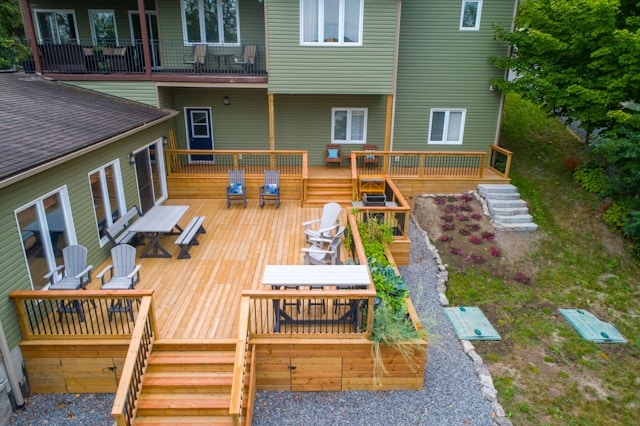
A deck also serves as a versatile outdoor living space where you can relax, enjoy family gatherings, or host barbecues and outdoor dining events. It adds extra square footage that can be customized to fit your needs, whether you have a small yard or a larger one.
This added space isn’t only functional but also enhances the aesthetic appeal of your home, making it more attractive to potential buyers if you decide to sell in the future.
With a deck installation, you can choose materials and designs that suit your budget and climate, ensuring that your outdoor space is both beautiful and durable.
This investment not only improves your lifestyle but also increases the resale potential of your home.
Benefits of Adding a Deck
When you decide to install a deck, you’re not just expanding your living space; you’re also enhancing your lifestyle and increasing your property’s value.
A deck offers a versatile outdoor area that can be used for various activities, making your home more enjoyable and functional.
Here are some key benefits of adding a deck to your home:
1. Enhanced Entertainment and Family Time
A deck provides an ideal space for entertaining friends and family, whether it’s a casual gathering or a large party.
It allows you to create a cohesive outdoor living area that complements your indoor space.
2. Healthy Outdoor Lifestyle
You can use your deck as an outdoor exercise area for yoga, stretching, or meditation, promoting a healthier lifestyle.
It also serves as a peaceful spot for relaxation, complete with comfy seating or a hammock.
3. Increased Property Value and ROI
A well-designed and properly built deck can considerably boost your home’s value.
According to the 2023 Cost vs. Value Report, a new composite or wood deck can yield an average of 34.3% cost recouped, making it a solid investment with a good deck ROI.
This enhancement not only benefits you now but also attracts potential buyers when you decide to sell.
Increases outdoor living space
Installing a deck greatly expands your outdoor living space, giving you a functional area that seamlessly integrates with your indoor environment. This extension of your home allows you to create a versatile space that serves multiple purposes, from relaxation and entertainment to dining and exercise.
With a deck, you can transform your backyard into an inviting and functional outdoor living space. It becomes an ideal spot for outdoor activities such as yoga, stretching, or meditation, providing a peaceful and serene area for a healthy lifestyle.
You can also set up a cozy corner with comfortable seating or a hammock, making it a perfect relaxation spot. For those who enjoy dining outdoors, a deck offers the perfect setting for open-air meals, enhancing the overall dining experience.
Additionally, a deck can be designed to incorporate potted gardens, allowing you to grow herbs, vegetables, or flowers, which not only adds to the aesthetic appeal but also promotes a healthier lifestyle by connecting you with nature.
This expanded outdoor living space becomes a hub for family enjoyment and social gatherings, making your home more functional and enjoyable.
Boosts home value and curb appeal
Building a deck can greatly enhance your home’s value and curb appeal. When considering deck design ideas, it’s vital to understand the financial and aesthetic benefits you can gain.
A new deck can provide a considerable return on investment (ROI). Nationally, a deck can offer a 44% ROI in added property value, meaning if you invest $20,000 in a new deck, your property value could increase by $8,800.
Here are three key ways a deck boosts your home’s value and curb appeal:
- Increased Resale Value: A well-designed deck, especially one made from durable materials like composite or hardwood, can substantially increase your home’s resale value. Composite decks, for example, can add an average of $9,325 to your property value.
- Enhanced Outdoor Living: A deck expands your outdoor living space, making your home more appealing to potential buyers who value outdoor entertainment and relaxation areas. This can be further enhanced with built-in amenities like seating and lighting.
- Curb Appeal: A thoughtfully designed deck that complements your home’s architectural style can improve your home’s curb appeal, making it more attractive to buyers and passersby alike. Routine maintenance and careful craftsmanship are essential to retaining this added value.
Popular Deck Types
Several popular deck types cater to different preferences, climates, and budgets, allowing you to choose the perfect fit for your home.
Attached Decks
Attached decks are a common choice, directly connected to your house, often near the kitchen, living room, or back entry.
These decks offer seamless indoor-outdoor living, making them ideal for dining, entertaining, and easy access to your home. They can increase your home’s value but may require ledger board installation and permits, especially for homes with uneven foundations.
Detached Decks
Detached decks, also known as floating or island decks, are freestanding structures that can be placed in gardens, under shade trees, or near features like fire pits.
They’re flexible regarding placement and don’t require connection to your home’s structure, making them easier to build in uneven areas. However, they may lack the convenience of attached decks and could need a walkway to connect to your home.
Multi-Level Decks
Multi-level decks are perfect for homes with varying elevations or uneven terrain.
They provide multiple spaces for different activities like dining, lounging, and gardening, and can offer enhanced views of your surroundings. These decks use stairs and pathways to create seamless changes between different areas.
Wraparound Decks
Wraparound decks extend along two or more sides of your house, offering multiple entry points and maximizing square footage.
They’re great for enjoying expansive views and sunlight at different times of the day, though they require more materials and higher construction costs.
Ground-level, raised, multi-level, and rooftop
When considering the layout of your deck, the elevation and design can markedly impact its functionality and aesthetic appeal. Here are some key considerations for each type:
Ground-Level Decks
- Safety and Accessibility: Ground-level decks are closer to the ground, reducing the risk of falls and making them ideal for families with young children, seniors, and people with mobility challenges. They often don’t require railings, providing an unobstructed view and open feel.
- Ease of Construction: These decks are generally easier and quicker to build, with less maintenance required compared to elevated decks. They blend seamlessly with the landscape, minimizing obtrusive elements.
- Cost-Effective: Ground-level decks are often more cost-effective since they don’t require stairs or railings, and in some cases, no permits are needed if they meet specific criteria.
Raised, Multi-Level, and Rooftop Decks
- Raised Decks: These provide enhanced views and can be integrated with your home’s existing structure. However, they require more maintenance, stairs, and railings, which can increase costs and complexity.
- Multi-Level Decks: These offer versatility and can be designed to incorporate different areas of your yard, such as around trees or other landscaping features. They can be more complex to build and require careful planning to guarantee safe navigation between levels.
- Rooftop Decks: While they offer unique views and can be a great use of urban space, rooftop decks require special structural considerations to ascertain the roof can support the weight. They also often involve more complex building codes and permits.
Each type of deck has its unique benefits and challenges, allowing you to choose the one that best fits your lifestyle and outdoor living needs.
Deck Material Options
Choosing the right material for your deck is an essential decision that affects its durability, maintenance, and overall appearance. Here are some of the most common deck material options to evaluate:
Deck Material Comparison
| Material | Pros | Cons |
|---|---|---|
| Pressure-Treated Wood | Affordable, natural aesthetic | High maintenance, susceptible to warping and cracking, shorter lifetime |
| Traditional Wood (Cedar) | Resistant to decay, lightweight, easy to work with | Requires regular maintenance, higher cost |
| Composite Decking | Durable, low maintenance, weather-resistant | Higher initial cost, less recycled material |
| PVC Decking | Premium, durable, low maintenance | Higher initial cost, less recycled material |
When deciding, assess your budget, the level of maintenance you are willing to undertake, and the climate in your area. Composite decking, for instance, offers durability and low maintenance, making it a popular choice for those who want a long-lasting deck with minimal upkeep. Traditional wood options like cedar provide a natural aesthetic but require more frequent maintenance. PVC decking is another durable option but comes with a higher initial cost. Each material has its unique benefits and drawbacks, so it’s important to choose one that aligns with your needs and lifestyle.
Wood, composite, PVC, and hardwoods
Adding a deck to your home involves selecting materials that balance your budget, maintenance preferences, and the local climate. When considering wood, composite, PVC, and hardwoods, each option has its unique advantages and drawbacks.
Wood Decking:
Wood decking offers a natural, classic look that many homeowners love. However, it requires regular maintenance to prevent weathering, splitting, and pest damage.
Softwoods like pressure-treated lumber can last 15-20 years, while hardwoods such as cedar and ipe can last up to 75 years with proper care.
Composite Decking:
Composite decking is a low-maintenance option, made from a combination of recycled materials. It’s resistant to weathering, rotting, and insects, making it a great choice for those who want durability with minimal upkeep.
However, it comes with a higher initial cost.
PVC Decking:
PVC decking is highly resistant to environmental factors and requires minimal maintenance. It’s ideal for pool areas due to its slip-resistant properties and can last 25-50 years.
However, it may be more expensive than wood and has a higher initial cost.
Key Considerations:
- Durability: Hardwoods and composite decking are highly durable, with hardwoods lasting up to 75 years and composite decking resisting weathering and pests.
- Maintenance: Wood requires regular maintenance, while composite and PVC decking are low maintenance.
- Climate Resistance: Composite and PVC decking are excellent choices for cold weather and wet conditions, offering high resistance to moisture and temperature fluctuations.
Smart Design Features
After selecting the ideal materials for your deck, it’s time to focus on the smart design features that will make your outdoor space both functional and appealing. When designing your deck, consider incorporating built-in features that enhance usability and aesthetic appeal.
Built-in seating areas, for instance, can be a great addition. Inspired by local parks like Great Falls Park and Meadowlark Botanical Gardens, you can include natural stone features or curved layouts that create cozy and inviting spaces for family gatherings and relaxation.
Another smart feature is the inclusion of planter boxes and water features. These elements, similar to those found in Meadowlark Botanical Gardens, add a touch of serenity and beauty to your deck.
Additionally, incorporating a pavilion or pergola can provide shade and define different areas of your outdoor space, making it more versatile for various activities.
To maximize the view and blend seamlessly with the surrounding landscape, consider using glass railings and low-profile designs, as seen in Riverbend Park. These features guarantee that your deck complements its natural surroundings while offering unobstructed views.
Built-ins, lighting, railings, and shade options
When designing your deck, incorporating thoughtful built-ins, lighting, railings, and shade options can greatly enhance both its functionality and aesthetic appeal.
These elements not only add to the visual attractiveness of your outdoor space but also make it more usable and comfortable for various activities.
Here are some key considerations to keep in mind:
- Built-in Features:
- Incorporate built-in seating, such as benches or U-shaped seating, to create cozy gathering spots. These can be integrated into the deck railing for a seamless look.
- Include built-in tables and storage to keep your deck organized and clutter-free. This can include hidden storage under the deck or within seating areas.
- Lighting Options:
- Install deck lights to illuminate your outdoor space, making it usable even after sunset. This can include string lights, post lights, or recessed lighting to highlight different areas of the deck.
- Deck Railing Options:
- Choose from various deck railing options such as modern railings, classic wood railings, or composite railings to match your deck’s style.
- Connection boards can also be used to add visual interest and define different sections of the deck.
- Shade Options:
- Consider adding a pergola, gazebo, or a retractable awning to provide shade and protect your deck from the sun.
- These features can also add a decorative element to your outdoor space.
Practical Considerations
As you finalize the design of your deck, it’s significant to take into account the practical aspects that will guarantee your outdoor space is both functional and durable.
One of the first steps is to check local building codes and regulations. Obtaining the necessary permits for decks is vital to confirm your project complies with safety standards and load-bearing requirements. Many municipalities have specific rules regarding materials, railings, stairs, and other safety features, so it’s critical to familiarize yourself with these before breaking ground.
Another important consideration is the choice of materials. Decide on materials that balance durability, maintenance, and aesthetics. Options include wood (such as pressure-treated, cedar, or redwood), composite, and PVC, each with its own pros and cons.
The location of your deck also plays a significant role; choose a spot that complements your home’s layout, provides the best views, and receives ideal sunlight.
Permits, drainage, and year-round usability
To guarantee your deck project is compliant and safe, obtaining the necessary permits is a vital step. In Northern Virginia, including counties like Fairfax, Loudoun, and Prince William, building and zoning permits are mandatory for constructing or altering decks.
Here are some key points to reflect on:
- Building and Zoning Permits: A building permit and a zoning permit are required for all deck projects. These permits ascertain that your deck complies with local building codes and zoning regulations.
- Construction Drawings and Approvals: You’ll need to provide detailed construction drawings and, in some cases, a copy of your Zoning Approval. This guarantees that your project meets all the necessary standards and regulations.
- Inspections: Regular inspections are required to verify that your deck is being built according to the approved plans and local building codes. Having a copy of the approved plans on site during inspections is essential.
Drainage and Year-Round Usability
When planning your deck, it’s important to think about drainage to prevent water accumulation, which can lead to structural issues. Ascertain that your deck’s design includes proper drainage mechanisms, such as sloping the deck surface or using waterproofing materials.
For year-round usability, choose materials that are durable and resistant to weather conditions. Reflect on adding features like roofing, heaters, or screenings to enhance the usability of your deck during different seasons. This will help you enjoy your outdoor space regardless of the weather.
Why Choose PMC Construction
Having guaranteed your deck project complies with local building codes and zoning regulations, the next step is to select a reliable and experienced contractor.
For homeowners in Northern Virginia, choosing PMC Construction as your decking contractor can be a wise decision. As a Licensed Class “A” general contractor, PMC Construction has the credentials and expertise to handle your deck installation from start to finish.
PMC Construction specializes in custom deck installations, ensuring that your outdoor space isn’t only aesthetically pleasing but also functional and safe. They serve a wide area, including Springfield, Fairfax, Alexandria, and other surrounding cities, making them a convenient choice for many homeowners in the region.
Their services include a range of decking options, as well as additional features such as roofing, siding, and concrete work, all of which can enhance the overall value and appeal of your home.
With free estimates and a commitment to meeting and exceeding customer expectations, PMC Construction stands out as a trusted northern Virginia decking contractor who can help you create the perfect outdoor living area.
Deck experts serving Northern Virginia
When evaluating deck experts in Northern Virginia, you’re in luck with several qualified contractors in the area, but few match the expertise and service of PMC Construction.
Here are some key points to reflect on when selecting a deck expert:
Why Choose Local Experts
- Custom Designs and Builds: Companies like Deckscapes of Virginia and Distinctive Deck Designs offer tailored deck and patio designs that complement your home’s architecture and your lifestyle. They use high-end, weather-resistant materials to guarantee your outdoor space remains beautiful and functional.
- Experienced Teams: Northern Virginia Deck & Fence Company and Virginia Deck Builders have extensive experience, with some companies serving the area since 2004. Their teams are well-versed in local codes and regulations, guaranteeing your deck is both compliant and durable.
- Customer Satisfaction: Deck experts in Northern Virginia are known for their commitment to customer satisfaction. They provide excellent planning, budgeting, and customer service, ensuring that any issues are swiftly addressed and your project is completed on time.
Choosing a local deck expert guarantees that your outdoor living space isn’t only aesthetically pleasing but also built to last, enhancing both your lifestyle and your home’s resale value.